
by Marsh Finance on Nov 13, 2024, 10:56:53 AM
.webp?width=800&height=300&name=Tips%20(1).webp)
Top Ways To Get Cheap Car Insurance
Summary: Drivers can reduce insurance costs by renewing early, comparing multiple insurers, choosing low-risk vehicles and adjusting policy settings like voluntary excess.
-
Buy insurance 20-27 days before renewal.
-
Compare multiple sites.
-
Pay annually.
-
Increase voluntary excess.
-
Add an experienced driver.
-
Use telematics insurance (black box).
-
Choose a low insurance group car.
-
Improve security.
.webp?width=800&height=300&name=Car%20Cost%20(1).webp)
Factors That Affect Car Insurance Prices
Summary: Car insurance prices are based on risk factors such as driver age, vehicle type, mileage, renewal timing and vehicle security.

When Is The Best Time To Buy Car Insurance?
Summary: Buying car insurance around 20–27 days before renewal usually produces the lowest quotes because insurers see early shoppers as lower risk.
20 to 27 days before your current policy expires is the best time to buy or renew your car insurance. Insurers view people renewing at this time as prepared and lower risk, compared to those that renew on the day of expiry. In saying that, don’t renew any earlier than 30 days before your policy expires, as insurers rarely offer rates for this far in advance.
More specifically, 26 days before your policy expires is statistically the cheapest day to renew, according to the BBC.

How To Compare Car Insurance Quotes
Summary: Comparing quotes across multiple comparison sites and checking direct insurers helps drivers find the most competitive car insurance deals.
Getting the best deal possible on your car insurance is something drivers up and down the UK constantly look for. The demand for cheap car insurance has seen the rise of insurance comparison sites dedicated to finding you the best deal. If you are new to car insurance and unsure where to look, we recommend using car insurance comparison sites to find the best deal for you. Some great sites to use are:
Some insurers, such as Direct Line, do not appear on comparison websites, so it is worth checking them directly for quotes as well.
We recommend finding the best quote before you do anything else. Once you have done this, consider some of our top tips below to find cheap car insurance.

Ways To Lower Your Insurance Premium
Summary: Drivers can lower insurance premiums by choosing lower-risk cars, improving security, adjusting policy details and adopting safer driving habits.
.png?width=800&height=300&name=VW%20Up%20(1).png)
Choose A Car In A Low Insurance Group
Summary: Cars in lower insurance groups (especially groups 1–5) are usually cheaper to insure because they are less powerful and cheaper to repair.
Cars in the UK are placed into insurance groups from 1 to 50, with group 1 vehicles usually the cheapest to insure. Car insurance looks at car age, engine type and size to figure out how much insurance you pay, so going for a low-emission, small and safe car is a great way to trim your insurance costs. We’ve covered some of the best cars to insure in a separate piece, but to summarise, the Volkswagen Up is one of the best cars for low insurance costs, followed by the Hyundai i10 and the Kia Picanto. It isn’t a coincidence that these cars are the cheapest for insurance as they’re some of the smallest cars on the market. Therefore, if you are looking for something cheap insurance-wise, a smaller car is your best bet.
Thinking of buying a new car? Check out how much it’ll cost to insure before you commit.
Improve The Security Of Your Vehicle
Summary: Improving vehicle security with alarms, immobilisers or secure parking can lower insurance premiums because it reduces the risk of theft.
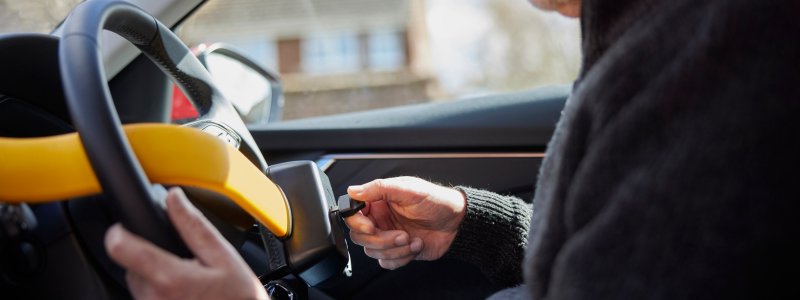
Consider adding extra security measures to your car to bring down insurance costs. If you live in a higher car crime area, it’s best to secure your car anyway, but doing so can also have a positive impact on your car insurance. Reducing the threat of your car being stolen will reduce the chances of your car insurance company needing to step in, which helps you unlock cheaper car insurance. To secure your car better, consider upgrading your car alarm system, adding a wheel lock and installing an immobiliser (to stop your car from getting anywhere without the keys being present). Other more simple steps can include making sure your car is locked and parking in a well-lit area. If you take these steps to secure your car, your insurance costs should come down.
Consider A Black Box
Summary: Telematics or “black box” insurance policies can lower premiums by monitoring driving behaviour and rewarding safer drivers with cheaper cover.
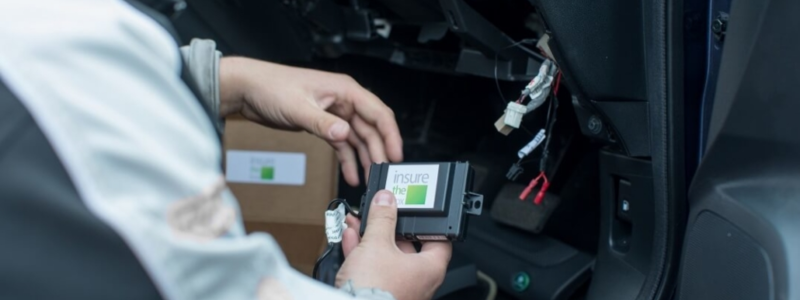
Adding a black box to your car can bring down your insurance massively. Although numbers differ based on who you insure with, adding a black box can reduce your insurance costs by up to 40% (depending on your age and driving history), a massive drop that could be the key to cheap car insurance. Black box car insurance can help you save as it signs you up to having your driving monitored, making it easier to track your average speed and judge your day-to-day driving. Just providing this extra slice of information to an insurance company can help bring your overall costs down massively. Remember though, having a black box means you must be aware of your speed at all times.

Pay Upfront
Summary: Paying for car insurance annually instead of monthly can reduce overall costs because monthly payments usually include interest charges.
You can choose to pay your insurance upfront and benefit from lower costs, as you miss out on having to pay any interest. This can be a nice and easy way to get cheap car insurance, but make sure you can afford the payment before getting yourself into financial difficulty. Of course, if a one-off payment is out of your budget, you can pay your insurance monthly.
Add An Experienced Driver Onto Your Policy
Summary: Adding an experienced named driver to your policy can sometimes reduce premiums because insurers may view the policy as lower risk.
Adding an experienced driver can reduce your insurance costs. This is because age and driving experience determine how much you’ll pay, and having someone older who is experienced will, therefore, reduce the cost of your car insurance. Be aware, though, that adding a driver to an existing policy can lead to admin charges.

Consider Your Job Title
Summary: Your occupation affects car insurance pricing because insurers associate certain job roles with different levels of driving risk.
You might not know this, but your job role has a big impact on your car insurance. We’ve taken a look at this in a separate article on the cheapest job titles for car insurance, but the best jobs for cheap car insurance are:
- Mechanic
- Administrator / Civil Servant
- Designer
- Design Engineer
- Account Executive
- Commercial Manager
- Estimator
- Engineer
- Account Manager
- Financial Analyst
If you have a job where you are required to travel a lot, your insurance costs will likely be high. If you work remotely and don’t need your car to commute to work, your costs will be lower. Some of the most expensive jobs for car insurance are:
- Fast Food Driver
- Apprentice
- Fast Food Caterer
- Fast Goods Proprietor
- Construction Worker
- Abattoir Worker
- Barber
- Car Valet
- Delivery Courier
Having an idea of how your job impacts your car insurance is key. If you are considering a new job, having a look at how your insurance can change can help you find something that brings your premiums down.

Opt For A Higher Voluntary Excess
Summary: Increasing your voluntary excess can lower your premium because you agree to pay more of the claim cost if an accident occurs.
Voluntary excess is the amount you choose to pay on top of your compulsory excess in the event of an accident. Your compulsory excess is an amount set by the insurer that you have to pay after an accident. If you choose to increase your voluntary excess, you can bring down your monthly costs, but if you have an accident you’ll be required to pay more. This is a risky strategy, as you save in the short term but could end up coming unstuck down the line. Sometimes accidents are out of our control, and opting for a voluntary excess will work against you. If you trust your abilities and drive sensibly, though, choosing a higher voluntary excess could be a good way of reducing insurance costs. Whatever your situation, make sure you can pay the voluntary excess if it ever comes up in future. If you can’t, opt for the standard compulsory excess.
Avoid Auto-Renewal If You Want Cheaper Insurance
Summary: Avoiding auto-renewal and comparing quotes before your policy expires can help you find cheaper insurance deals.
Unfortunately, loyal customers tend to be hit with higher premiums, as insurers deem them as less likely to leave the agreement. Avoiding auto-renewal, and instead shopping around 20 to 27 days before expiry is the best way to achieve a good deal.
Estimate Your Annual Mileage Accurately
Summary: Providing an accurate estimate of your annual mileage can prevent unnecessarily high premiums because insurers price policies based on driving exposure.
Insurance quotes are based on many factors, but one of them is how much you’ll drive your car. In most cases you’ll be expected to estimate your mileage; so it’s important to take the time to provide an accurate figure. Estimating that you’ll drive more than you actually will can lead to higher insurance premiums.
.webp?width=800&height=300&name=Car%20Finance%20Document%20(1).webp)
Why Fully Comprehensive Insurance Can Sometimes Be Cheaper
Summary: Although it offers the most protection, fully comprehensive car insurance can sometimes cost less than third-party cover because insurers associate it with lower-risk drivers.
At first glance, it seems logical that third-party insurance should be the cheapest option. After all, it provides the least cover. However, in many cases fully comprehensive car insurance can actually work out cheaper.
This happens because of the way insurers assess risk. Drivers who choose fully comprehensive cover are often seen as more cautious and responsible. They may have safer driving records, newer vehicles, or simply be more risk-aware. Because insurers analyse large amounts of historical claims data, they sometimes price comprehensive policies more competitively.
On the other hand, third-party policies are often chosen by higher-risk drivers who are trying to reduce upfront costs. As a result, the risk profile of third-party policyholders can be higher overall, which may push premiums up.
For this reason, it is always worth comparing different levels of cover when getting quotes. Sometimes the most comprehensive level of protection ends up being the cheapest option.
When comparing policies, consider checking:
- Third-party only cover
- Third-party, fire and theft
- Fully comprehensive insurance
Even if you ultimately choose a different level of cover, running quotes for each option can help you find the best price.
Why Is Car Insurance Higher For First-Time Drivers?
Summary: First-time drivers often pay higher insurance premiums because insurers see them as statistically more likely to be involved in accidents.
Check out our seperate piece - Young Driver's Insurance: Why Is It So Expensive? - for more details.
How much your car insurance costs is based on lots of factors such as:
- Vehicle type
- Your age
- Your car age
- Where you live
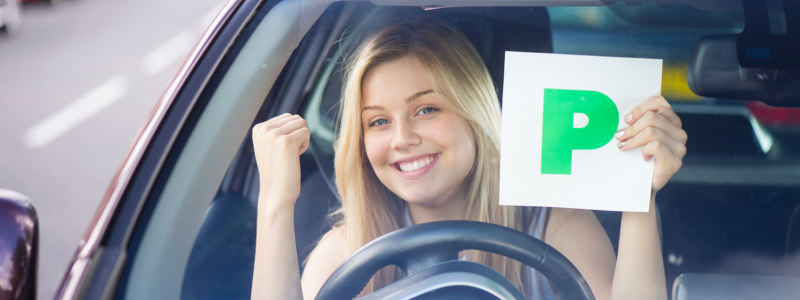
For first-time drivers, your age is most likely to lead to higher insurance rates. As insurance guards against potential issues, more experienced drivers are seen as less likely to have an accident, and so their premiums will be lower than a first-time driver. A first-time driver is seen as a riskier insurance customer, and so will face higher fees to offset the risk of a potential issue. Although first-time drivers tend to face significantly higher insurance costs than experienced drivers, your age when you pass can have a huge impact, too. If you are a first-time driver at 18, your insurance will be higher than a first-time driver who’s 25. Although both people are new to the roads, an older driver is seen as more mature and less likely to have issues than a younger driver. As an older first-time driver your insurance will still be higher than a more experienced driver, but it won’t be as high as a younger first-timer.
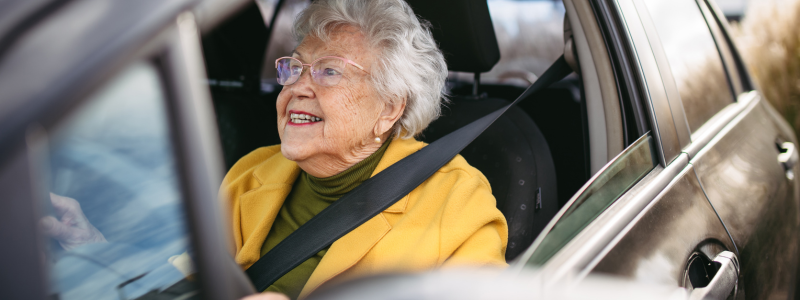
How Does Car Insurance Change As I Get Older?
Summary: Car insurance premiums typically decrease with driving experience before gradually increasing again later in life due to higher accident risk.
Typically, as you get older your car insurance goes down. This is because with age you build driving experience which in theory should lead to less crashes or accidents. This trend continues up into your 60s, with a study by the Association of British Insurers (ABI) finding that drivers between 66 and 70 pay the cheapest premiums. Past this point though, premiums start to rise into your 70s and 80s. This is because data shows that drivers in this age bracket are more likely to have accidents and issues.

Get The Perfect Car To Lower Your Insurance Costs
Why not consider something smaller to reduce your insurance costs? Marsh Finance is the perfect place to swap out your wheels for something cheaper! Refinance your existing car and save on monthly payments whilst enjoying your new vehicle.
If you are looking to upgrade your car to something even bigger, we can help too!