
by Marsh Finance on Oct 31, 2024, 11:27:28 AM

April 1 2025 Vehicle Excise Duty (VED) Changes Explained
The April 1 2025 VED reforms changed electric vehicle taxation, increased first-year showroom tax for many petrol and diesel cars and removed several previous exemptions.
| Term | Meaning |
| Vehicle Excise Duty (VED) | Official name for UK road tax |
| Showroom Tax | First-year VED paid when a new vehicle is registered |
| Expensive Car Supplement | Additional charge for higher-value vehicles |
| Standard Annual Rate | Ongoing yearly road tax payment |
| CO₂ Band | Tax category based on emissions |

How Does Car Tax Work?
Summary: Car tax is based mainly on vehicle emissions, registration date and fuel type, with different rules applying depending on when a vehicle was first registered.
Not all cars are taxed the same. How much a car is taxed depends on things like its size, emissions, age and engine type. The two main factors that determine car tax are emissions and age. In the case of emissions, higher-polluting cars are charged a higher tax to discourage people from owning them. In some cases, an electric vehicle didn’t need to be taxed, in a bid to attract more people to drive more cleanly.
In terms of age, cars are taxed differently based on when they were registered:
- Cars older than 40 years don’t need to be taxed.
- Cars registered before 1 March 2001 will be taxed on engine size.
- Cars registered between 1 March 2001 and 1 April 2017 are taxed based on the emissions of the car.
- Cars registered on or after 1 April 2017 will see the first-year rate based on CO2 emissions, followed by a yearly rate.
.webp?width=800&height=300&name=Electric%20Car%20Charging%20(2).webp)
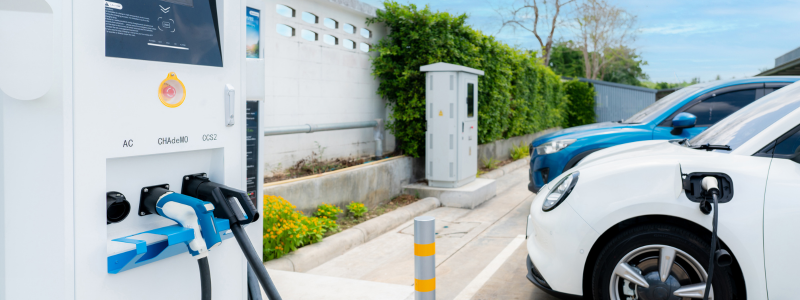
Electric Car Tax 2025
Summary: Electric vehicles lost their Vehicle Excise Duty exemption from 1 April 2025, affecting both new and existing EV owners.
Electric vehicle road tax changed significantly from 1 April 2025. New electric cars registered after this date now pay a £10 first-year Vehicle Excise Duty rate before moving onto the standard annual VED rate from year two onwards.
Existing electric cars also became affected. Vehicles registered between April 2017 and March 2025 moved onto standard annual payments, while older EVs entered the lowest payable VED band.
New EVs Registered From 1 April 2025
New electric cars registered after 1 April 2025 pay a reduced first-year VED rate of £10 before moving onto the standard annual rate from year two.
EVs Registered Between April 2017 And March 2025
Electric vehicles previously exempt from road tax now pay the standard annual VED rate.
Older EVs Registered Between 2001 And 2017
Older electric cars moved into the lowest payable VED band and now face a small yearly charge.
Expensive Car Supplement For Electric Cars
Electric cars costing more than £40,000 are no longer exempt from the Expensive Car Supplement (ECS). This additional charge applies for five years from the second year of ownership and sits on top of the normal annual VED payment.
This means some premium electric cars may face noticeably higher yearly running costs.
Electric Van Tax Changes
Electric vans are also affected by the April 2025 VED reforms. Many electric vans previously benefited from road tax exemptions, but now move onto the standard light goods vehicle tax rate.
This means some electric van owners may see higher running costs than in previous years.
Hybrid Car Tax Changes 2025
Hybrid and alternatively fuelled vehicles lost their previous VED discount from April 2025. This means hybrids are now generally taxed in the same way as petrol and diesel vehicles.
Plug-in hybrids still use emissions bands for first-year taxation, but the previous annual discount no longer applies.
.webp?width=800&height=300&name=Petrol-Pumps%20(1).webp)
Petrol And Diesel First-Year Tax Changes
New petrol and diesel vehicles saw first-year Vehicle Excise Duty rates increase from April 2025. Cars with higher CO₂ emissions experienced the largest increases.
The first-year rate is often called the showroom tax because it is paid when a new car is first registered.
|
CO₂ Emissions |
Previous First-Year Rate |
April 2025 Rate |
|
1–50g/km |
£10 |
£110 |
|
51–75g/km |
£30 |
£130 |
|
76–90g/km |
£135 |
£270 |
|
255g/km+ |
£2,745 |
£5,490 |
Higher-emission petrol and diesel vehicles saw the largest increases under the April 2025 reforms, while lower-emission and plug-in hybrid vehicles generally faced smaller increases.

Why Did The Government Change Car Tax Rules?
Summary: The April 2025 reforms aimed to modernise road taxation and prepare for growing electric vehicle adoption.
The April 2025 Vehicle Excise Duty reforms were introduced to help modernise road taxation as electric vehicle ownership increases. The changes also aimed to replace falling fuel-related tax income and create a more consistent tax system across vehicle types.
.webp?width=800&height=300&name=Car-Finance-Money-4%20(1).webp)
How Much Will My Car Tax Be In 2025?
Summary: Vehicle Excise Duty costs vary depending on emissions, registration date, fuel type and vehicle value.
Car taxes are set to rise across the board, but to find your specific car tax for 2025, take a look at this free car tax calculator. The standard annual VED rates are around £195, although rates can change each tax year. Car tax will be different for everyone, so to find your UK car tax in 2025, it's best to compare prices to find the best deal.
Conclusion
The April 2025 road tax changes introduced one of the biggest updates to Vehicle Excise Duty in recent years. Electric vehicles are no longer exempt, hybrid and alternatively fuelled vehicles lost their annual Vehicle Excise Duty discount from April 2025.
Drivers buying an EV, hybrid, petrol or diesel vehicle should check the latest VED rates before purchasing to understand the total running cost.
Interested in new wheels, explore financing options today!

FAQs
What's the latest road tax news?
The latest road tax news is that electric vehicles will start having to pay tax as of April 1st 2025. A luxury car tax is also coming in, where cars over £40,000 will face a higher tax rate than cheaper cars.
What road tax changes are coming in 2025?
As of April 1st 2025, electric vehicles (EVs) will face tax rates. In the past, EVs have been exempt, but this is set to change. A luxury car tax is also set to come in, with cars over £40,000 charged an added tax.
What is happening to electric car tax in 2025?
Electric car tax is facing a major change in April 2025. Previously you didn't have to pay tax on EVs, but now you do. For EVs, you will pay the lowest possible vehicle tax for the first year (£10), but this will increase to £195 per year after this.
What tax band is my car by reg?
There are plenty of free sites where you can check your car tax by entering the car registration. Here are some of those sites:
Learn more about car tax bands via a seperate piece we wrote.
What changed to UK road tax on 1 April 2025?
The UK road tax changes introduced on 1 April 2025 brought major updates to Vehicle Excise Duty (VED). The biggest change was that electric vehicles (EVs) were no longer exempt from road tax. New EVs now pay a first-year rate, while existing electric cars moved onto standard annual VED rates. First-year tax rates for many new petrol and diesel cars also increased, especially higher-emission vehicles. Hybrid discounts were removed, and some electric cars became subject to the Expensive Car Supplement.
Do existing electric cars now pay road tax?
Yes. Existing electric cars now pay road tax following the April 2025 changes. Electric vehicles registered between 1 April 2017 and 31 March 2025 moved onto the standard annual Vehicle Excise Duty rate. Older electric cars registered between 1 March 2001 and 31 March 2017 moved into the lowest payable tax band, which carries a small annual charge.
New electric cars registered from 1 April 2025 pay a reduced first-year rate before moving onto the standard annual rate from year two onwards.
Did hybrid cars lose their tax discount?
Yes. Hybrid and alternatively fuelled vehicles lost their previous VED discount as part of the April 2025 changes. In the past, some hybrid cars received a small reduction compared with petrol and diesel vehicles. This discount has now been removed, meaning hybrids are generally taxed in the same way as standard petrol and diesel cars.
Plug-in hybrids are still taxed based on emissions in the first year, but the reduced annual hybrid discount no longer applies.
What is the expensive car supplement for EVs?
The Expensive Car Supplement (ECS), sometimes called the luxury car tax, is an additional road tax charge applied to vehicles above a set price threshold. From April 2025, electric cars are no longer exempt from this rule.
If a new electric vehicle has a list price above £40,000, owners may have to pay the extra supplement for five years, starting from the second year after registration. This charge is added on top of the normal annual VED payment, increasing the yearly running cost of some premium electric cars.
Why did petrol car showroom tax increase?
Petrol car showroom tax increased as part of wider changes to Vehicle Excise Duty introduced in April 2025. First-year tax rates, which are based on CO₂ emissions, rose for many new petrol and diesel cars, with some higher-emission vehicles seeing their rates double.
The changes were designed to increase contributions from higher-polluting vehicles and help balance falling tax income as more drivers switch to electric cars. Lower-emission vehicles still generally pay less than higher-emission models, but most new petrol and diesel cars saw an increase.
Are electric vans affected?
Yes. Electric vans are affected by the April 2025 road tax changes. Previously, many electric vans were exempt from Vehicle Excise Duty, but they now move onto the standard light goods vehicle tax rate.
This means owners of electric vans may now need to pay annual road tax, increasing running costs compared with previous years. The exact amount depends on the vehicle classification and current VED rates.
Do electric cars over £40,000 pay more road tax?
Yes. Electric cars with a list price above £40,000 may become liable for the Expensive Car Supplement. This additional charge is added to the normal annual VED payment and usually applies for five years from the second year after registration.
Do all electric cars now pay road tax?
Most electric cars now pay Vehicle Excise Duty following the April 2025 reforms. New EVs pay a reduced first-year rate before moving onto standard annual payments, while many existing electric cars also became liable for yearly road tax.