
by Marsh Finance on Nov 6, 2024, 2:56:09 PM
Car tax is one of those mandatory payments you just have to make, but not every car will pay the same. The government introduced car tax bands to decide exactly how much car tax each vehicle must pay. Let’s take a look at the current car tax bands and the changes coming in 2025.
👉 What is car tax and how does it work?👉 Car tax for cars registered before March 1 2001
👉 Car tax for cars registered 1 March 2001 to 31 March 2017
👉 Cars registered from 1 April 2017
👉 Electric cars: the tax situation
👉 Conclusion

How Car Tax Bands Work In The UK
Summary: Car tax bands in the UK are based on your car’s registration date, emissions, and engine size, with three main systems in place.
Car tax is split into three systems, based on your car’s registration date:
- Cars registered before 1 March 2001 → taxed by engine size
- Cars registered 1 March 2001–31 March 2017 → taxed by CO2 emissions (bands A to M)
- Cars registered from 1 April 2017 → taxed by first-year emissions rate, then a standard rate
Below, you can find each system explained clearly with tables and examples.
What Affects Your Car Tax Band?
Your car tax band is determined by factors such as CO2 emissions, engine size, fuel type, registration date, and vehicle list price.
How To Find Your Car Tax Band
You can find your car tax band by checking your vehicle registration date and emissions, or by using a DVLA car tax checker online. Enter your registration number to see your exact tax band and annual cost.

Car Tax For Cars Registered Before 1 March 2001
Summary: Cars registered before March 2001 are classed as private/light goods (PLG) vehicles. There are two groups which relate to the cubic capacity of the engine. Vehicles not over 1549cc pay £210 car tax a year. Vehicles over 1549cc pay £345 a year.
|
PLG Tax Class |
12 Months (£) |
6 Months (£) |
|
Not over 1549cc |
210 |
115.50 |
|
Over 1549cc |
345 |
189.75 |

Car Tax For Cars Registered 1 March 2001 To 31 March 2017
Summary: There are 13 different bands, going from A to M, measuring how much CO2 your car emits. The closer to A, the lower your annual car tax rate.
|
|
CO2 Emissions (g/km) |
Yearly Cost (£) |
|
A |
Up to 100 |
20 |
|
B |
101 - 110 |
20 |
|
C |
111 - 120 |
35 |
|
D |
121 - 130 |
160 |
|
E |
131 - 140 |
195 |
|
F |
141 - 150 |
215 |
|
G |
151 - 165 |
265 |
|
H |
166 - 175 |
315 |
|
I |
176 - 185 |
345 |
|
J |
185 - 200 |
395 |
|
*K |
201 - 225 |
430 |
|
L |
226 - 255 |
735 |
|
M |
Over 225 |
760 |
*Band K includes cars with CO2 over 225g/km but registered before 23 March 2006
Cars Registered From 1 April 2017 (First-Year Rate + Standard Rate)
Newer cars follow a two-part system:
- First-year rate (“showroom tax”) — based on CO₂ emissions
- Standard rate (from year two onwards) — £190 for most cars
- Premium rate — an extra charge if your car had a list price over £40,000
First-Year VED Rates
|
CO₂ (g/km) |
First-Year Rate (£) |
Standard Rate (£) |
|
0 |
£0 |
£190 |
|
1–50 |
£10 |
£190 |
|
51–75 |
£30 |
£190 |
|
76–90 |
£135 |
£190 |
|
91–100 |
£175 |
£190 |
|
101–110 |
£195 |
£190 |
|
111–130 |
£220 |
£190 |
|
131–150 |
£270 |
£190 |
|
151–170 |
£680 |
£190 |
|
171–190 |
£1,095 |
£190 |
|
191–225 |
£1,650 |
£190 |
|
226–255 |
£2,340 |
£190 |
|
Over 255 |
£2,745 |
£190 |
Premium Rate (High-Value Cars)
Quick summary: Modern cars pay a higher first-year tax if they pollute more, followed by a flat rate. Expensive cars get an extra premium charge.
If your car had a list price over £40,000, you’ll pay an extra £410 for five years after the first year. After that, it drops back to the standard rate.
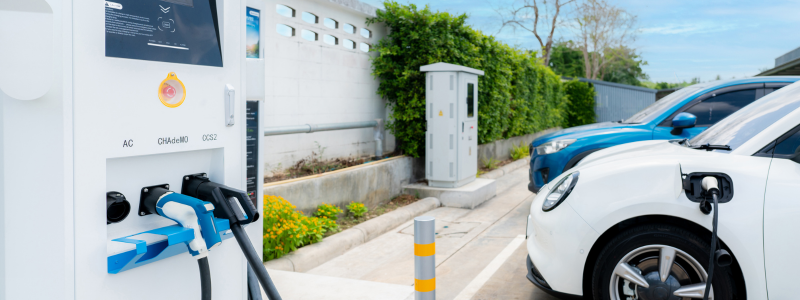
Electric Cars: The Tax Changes Coming in 2025
Summary: EVs will follow the same VED rules as petrol and diesel cars from 2025 onwards.
Electric vehicles have enjoyed years of tax exemptions. That ends in April 2025.
From 2025, EV owners will pay:
- First-year rate (£10 for zero-emission vehicles)
- Standard annual rate (£190)
- Premium surcharge if list price exceeded £40,000
Electric cars registered before April 2025 were exempt from VED, but from April 2025 all EVs are taxed under the same system as petrol and diesel vehicles.
Conclusion
Car tax bands have been a way for the government to fairly charge people based on their car size, emissions and engine size. As time has passed, the driving landscape has evolved, and so have car tax bands. This change is set to be felt the most in 2025, with EVs set to be charged from 2025 onwards.
Don’t let car tax impact your next car purchase. Take the next step today.
Finance your new car with Marsh Finance 🚀👇.
Further Tax Reading
👉 Navigating Car Tax: A Beginner's Guide
What are the car tax bands in the UK?
Car tax bands in the UK depend on your car’s registration date and emissions. Older cars are taxed by engine size, while newer cars are taxed based on emissions and a standard annual rate.
How do I find my car tax band?
You can check your car tax band using the DVLA website by entering your registration number, or by reviewing your vehicle’s emissions and registration date.
What car tax band is cheapest?
The cheapest car tax bands are those with low emissions or small engine sizes, such as Band A for older vehicles or zero-emission cars.
Do electric cars pay car tax?
From April 2025, electric cars are no longer exempt and must pay standard VED rates, including a first-year rate and annual charge.
Which car tax system applies to my car?
The car tax system that applies to your car depends on its registration date. Cars registered before March 2001 are taxed by engine size, cars registered between 2001 and 2017 are taxed by emissions, and cars registered after April 2017 follow the current VED system.