
by Paula Eccleston on Aug 9, 2024, 9:26:35 AM

What Is The Cost-Of-Living Crisis?
Quick summary: The cost-of-living crisis occurs when the cost of essential goods and services rises faster than wages, reducing household purchasing power and making everyday expenses harder to afford.
The cost-of-living crisis is when the cost of essential goods and services is increasing faster than wages and salaries. This means that people are having to spend more and more of their income on basic necessities, leaving them with less money for discretionary spending.

Why Recovery Is Taking So Long
- Food prices remain higher than before 2022
- Energy costs remain elevated
- Housing costs continue to rise
- Interest rates have increased borrowing costs
- Wage growth is still catching up

When Will Living Standards Recover?
Quick summary: Living standards are expected to recover when wage growth consistently exceeds inflation and household purchasing power returns to pre-crisis levels, which some forecasts suggest could happen between 2027 and 2029.
Many economists believe living standards will recover when household purchasing power returns to pre-crisis levels and wage growth consistently exceeds inflation.
Why Prices May Never Return To Pre-2022 Levels
Quick summary: Many economists believe the UK has entered a new pricing environment where inflation may return to normal levels, but many everyday costs are unlikely to return to what households paid before 2022.
Even if inflation falls back towards long-term targets, food, housing, energy and other essential costs may remain permanently higher than before the cost-of-living crisis. This is why many experts refer to a "new normal" for household spending.
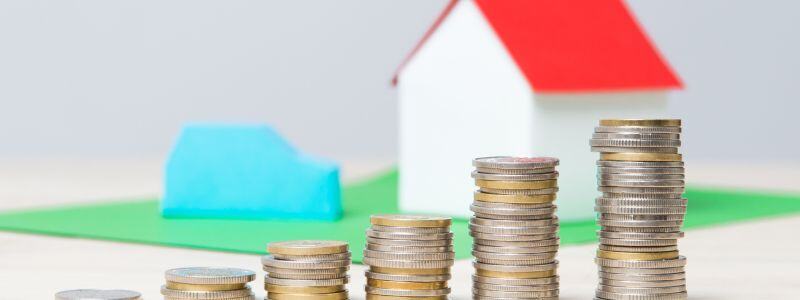
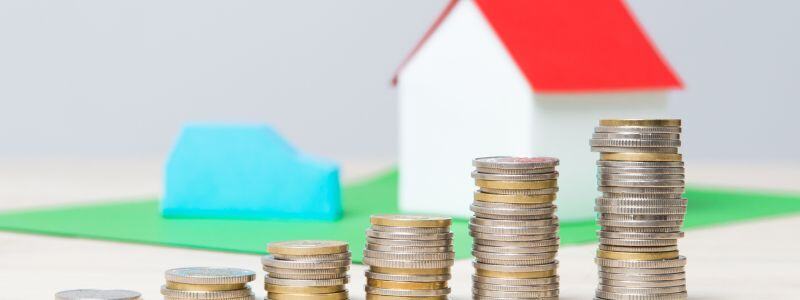
How Has The Cost Of Living Crisis Impacted UK Households?
Quick summary: Rising food prices, energy bills, housing costs and borrowing costs have left many households with less disposable income and increased financial pressure.
The cost-of-living crisis is having a significant impact on UK households, particularly those on lower incomes. According to research by the Joseph Rowntree Foundation, over 14 million people in the UK live in poverty, and rising living costs make it even harder for them to make ends meet. Many families are having to cut back on essentials like food and heating, while others are being forced into debt to cover their basic living expenses.
The cost-of-living crisis is continuing to impact people. Even though household incomes are rising again, people are still feeling the pinch financially. In response to the emergence of the cost-of-living crisis, the Government introduced lots of support 👇.

In Response To These Challenges, The UK Government Implemented Several Support Measures
Quick summary: During the peak of the cost-of-living crisis, the UK Government introduced grants, rebates, tax adjustments and support payments to help households manage rising costs.
- Energy Bill Rebate Package: A £15 billion package provides a £400 grant to all domestic energy customers in Great Britain to help with energy bills. Additionally, households in Council Tax Bands A-D in England receive a £150 Council Tax Rebate.
- Cost of Living Payments: More than 8 million households on means-tested benefits are receiving a total of £650 in two lump sums. Additionally, there are £300 Pensioner Cost of Living Payments for over 8 million pensioner households and a £150 Disability Cost of Living Payment for six million people with disabilities.
- Household Support Fund: This £1 billion fund assists households not eligible for other support types, covering essentials such as food, clothing, and utilities.
- Tax and Duty Adjustments: The National Insurance starting threshold was raised to £12,570, providing tax relief for 30 million workers. The government also cut Class 2 NICs for lower-earning self-employed individuals and reduced the Universal Credit taper rate from 63% to 55%, increasing work allowances by £500 per annum.
- Fuel and Alcohol Duty Freezes: A 12-month cut in fuel duty for petrol and diesel was implemented, along with a freeze on alcohol duty rates for 2022-23.
- National Living Wage Increase: The National Living Wage was increased by 6.6% to £9.50 per hour for workers aged 23 and over, benefiting more than 2 million workers.
- Energy Bill Rebates and Winter Fuel Payments: Low-income households receive rebates on their energy bills, and there are specific payments for households with someone of State Pension Age or over 80 to help with winter fuel bills.
- Cold Weather Payments and VAT Relief for Energy Saving Materials: Poorer households receive additional payments during extremely cold weather, and there’s a VAT relief for households installing energy-saving materials.
These measures were introduced during the peak of the cost-of-living crisis and may no longer be available. Check current government guidance for the latest support schemes.
.webp?width=800&height=300&name=Costs-1%20(1).webp)
What Is Inflation?
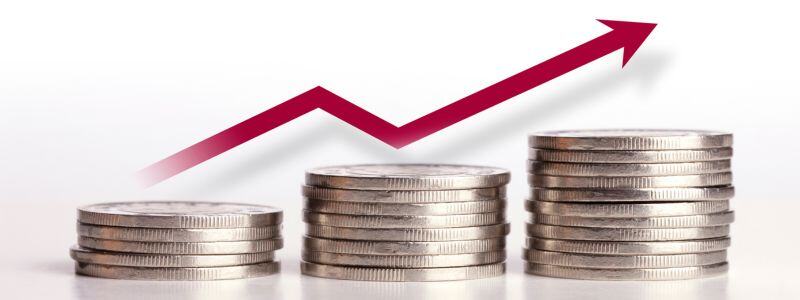
Quick summary: Inflation measures how quickly prices rise over time. When inflation outpaces wage growth, households experience reduced purchasing power and higher living costs.
Inflation is the rate at which prices for goods and services increase. When inflation is high, it means that the cost of living is rising faster than wages and salaries, leading to a decrease in people’s purchasing power.
Inflation has fallen significantly from its peak but remains an important factor affecting household finances.
.webp?width=800&height=300&name=Car%20Question%20(1).webp)
FAQs
Is The Cost Of Living Crisis Over?
Inflation has fallen significantly from its peak, but many households continue to feel financial pressure because prices remain much higher than they were before 2022.
Why Are Prices Still High If Inflation Is Falling?
Inflation measures how quickly prices are rising, not whether prices are falling. Even when inflation drops, the higher prices consumers already face often remain in place.
When Will Living Standards Recover?
Many economic forecasts suggest household living standards may take until 2027-2029 to recover to pre-crisis levels, depending on wages, inflation and interest rates.
Will Energy Bills Fall Back To Previous Levels?
Energy prices have reduced from peak crisis levels but remain significantly higher than many households experienced before 2021.
What Will End The Cost Of Living Crisis?
For most households, the cost-of-living crisis will effectively end when wage growth consistently exceeds inflation, household purchasing power improves, and essential costs become more manageable relative to income.
.webp?width=800&height=300&name=Helping-Hand-1%20(1).webp)
How Refinancing Can Help
In these challenging times, managing finances wisely is crucial. If you currently have a car on finance, have you thought about refinancing? Refinancing offers flexibility – you could downgrade to a smaller, more affordable vehicle, or simply spread the cost of your current car to reduce your monthly payments.
The best part? Applying is quick, easy, and won’t affect your credit score. It takes just 30 seconds to apply, and you’ll find out if you’re approved on the same day. Don’t let financial stress weigh you down.
Find out how refinancing can help you navigate the cost of living crisis.