
by Andrew Marsh on Nov 4, 2026, 12:51:45 PM
Cast your mind back to 2020, a global chip shortage halted new car production and left many customers waiting months for their new car. This issue had resolved itself in the time since, but new AI pressures have reared a new problem.

How AI Has Impacted Car Tech
The AI boom has created a rush to produce as many data centres as possible. This tech race has increased the squeeze on DRAM and NAND, two technical components used in car production.
DRAM, especially, is a major component in AI data processors, and the main companies in the DRAM market are well aware of this. Companies like Samsung, SK Hynix, and Micron control 88% of the market and have already begun diverting DRAM to these AI data centres. There’s unfortunately not much car manufacturers can do, either. The wealth of these big tech firms allows them to pay higher premiums and secure tech ahead of them.
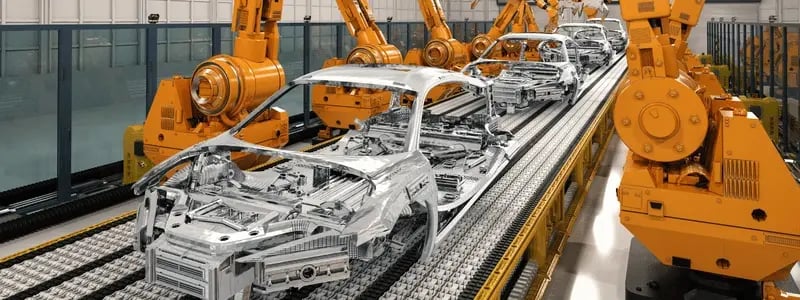
On top of this, cheaper nodes are drying up. Standard vehicle tech like power steering, braking systems, window motors, and airbags rely on cheaper older nodes. However, microchip foundries, owing to extensive AI pressures, are diverting attention to newer, more advanced nodes. This has led to a drop in older node production, and, with that, a decline in the capability for standard tech in new cars. As a result, customers are struggling to find base models at a good price, and car waiting times are increasing.
How Are Car Manufacturers Responding?
There are a few ways in which manufacturers are navigating the issue:
- Direct deals with foundries. Manufacturers are bypassing middlemen and entering into long-term supply agreements directly with chip manufacturers. This was shown most recently by Tesla’s multi-billion-dollar deal with Samsung.
- Absorbing higher costs. In the US, Ford has absorbed $1 billion through elevated pricing, which has trickled down to all models at the customer level.
- Redesigning cars. Some manufacturers are also looking into the possibility of redesigning cars to rely less on complex chips. This will bypass any supply chain issues, but bring complications in timelines, with significant testing required for a new approach.
EV Concerns In The UK
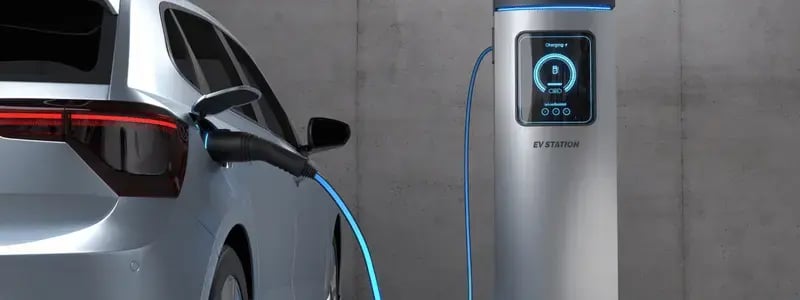
Emerging zero-emission vehicle regulations are pushing manufacturers towards EV production. While this has significant environmental benefits, there are also significant impacts on semiconductors. An EV typically requires twice as many semiconductor chips as a fossil fuel car. At a time when supply is already short, customers could be left waiting up to a year for a new EV. Additionally, the sharp increase in demand for these chips has already seen a 450% price rise during 2026. Putting EV prices up won’t solve the problem, as customers will just go elsewhere. As a result, EV manufacturers are having to write off multi-million pounds worth of debt.

The Ghost Used Car Market
We’re still seeing the effects of the COVID pandemic semiconductor shortages too. Due to stalled vehicle production from 2021 to 2023, there’s a significant hole in the 3-5 year used car market. This has led to well-maintained older cars retaining value better, and customers paying more for older vehicles. For customers, it’s becoming harder and harder to find value in the used car market.

UK Car Market Outlook
For customers, new car prices have elevated in recent years, and when combined with potential delays in deliveries, the used car market is continuing to hold its own. For car dealers, the used car market could provide some much-needed relief, provided finance products are tailored to both the car and the customer.
If you’re unsure how to navigate this uncertainty, take a look at how we can support dealers.
Additionally, get in touch to discuss a partnership and see how we can help you say yes more often.