
by Marsh Finance on Aug 8, 2024, 3:00:00 PM
When reviewing a car finance agreement, it’s easy to focus on the monthly payment. But the real cost often sits in the total amount repayable, fees, and contract terms.

Key Things To Check Before Signing A Car Finance Agreement
Before you sign anything, it helps to step back and look at the full picture. A car finance agreement is more than just a monthly payment.
Here are the key things you should always check:
- Total amount payable – the full cost of the loan, including interest and fees
- APR (Annual Percentage Rate) – the true cost of borrowing
- Monthly affordability – whether the payments fit your budget
- Type of agreement – PCP or HP, and what that means for you
- Balloon payment – the final lump sum on PCP agreements
- Fees and charges – including early repayment or late payment fees
- Mileage limits and restrictions – especially with PCP
- End of agreement options – what happens when the contract ends
- Ownership terms – when the car becomes yours
Taking a few minutes to check these now can help you avoid unexpected costs later.

Don’t Focus Only On Monthly Payments
Monthly payments are often the first thing people look at. But they don’t always show the full cost of the agreement.
A lower monthly payment can sometimes mean:
- A longer agreement term
- More interest paid over time
- A large final payment at the end (with PCP)
Instead, always check the total amount payable. This tells you exactly how much the car will cost you overall.
For example, two deals might have similar monthly payments, but one could cost you thousands more by the end of the agreement.
Make sure the deal works for your budget not just now, but over the full term.
PCP Or HP? Understand Your Options
In car finance, there are two options: Personal Contract Purchase (PCP) and Hire Purchase (HP). Personal Contract Purchase (PCP) is a popular choice for lots of people. It allows you to deposit and make monthly payments over a fixed term. At the end of the term, you can pay a balloon payment and keep the car, trade it in for a new one, or hand it back.
Hire Purchase (HP) is another good option. With HP, you make monthly payments over a fixed term, and the car is yours at the end. The main difference between the two options is that you’re paying off the entire vehicle cost over the agreement term with HP. With PCP, you only pay off a portion of the car’s value.
When deciding which option is best for you, you need to understand the pros and cons of each. With PCP, you can change your car every few years, and the monthly payments are typically lower. With HP, you own the vehicle at the end of the agreement, and there are no mileage restrictions or penalties for going past your mileage limit.

Understanding The Balloon Payment (PCP)
If you choose a PCP agreement, you’ll usually have a balloon payment at the end.
This is a large final payment you need to make if you want to keep the car.
Before agreeing to PCP, make sure you:
- Know the exact balloon payment amount
- Understand when it’s due
- Have a plan for how you’ll deal with it
At the end of the agreement, you normally have three options:
- Pay the balloon payment and keep the car
- Return the car with nothing more to pay (if within terms)
- Trade the car in and start a new agreement
The lower monthly payments can be appealing, but the final payment should never come as a surprise.

Check The Interest Rate And APR
Interest rate and APR (Annual Percentage Rate) are two important factors in any car finance agreement. The interest rate is the percentage of the loan amount you will pay in interest over the contract term. The APR includes the interest rate plus any other fees and charges.
Make sure you understand the total cost of the loan and compare it to other finance options before making a decision. A low-interest rate may look attractive, but it’s essential to consider any additional fees and charges that may be included. If a car finance agreement offers 0% interest rates, it might have higher fees.
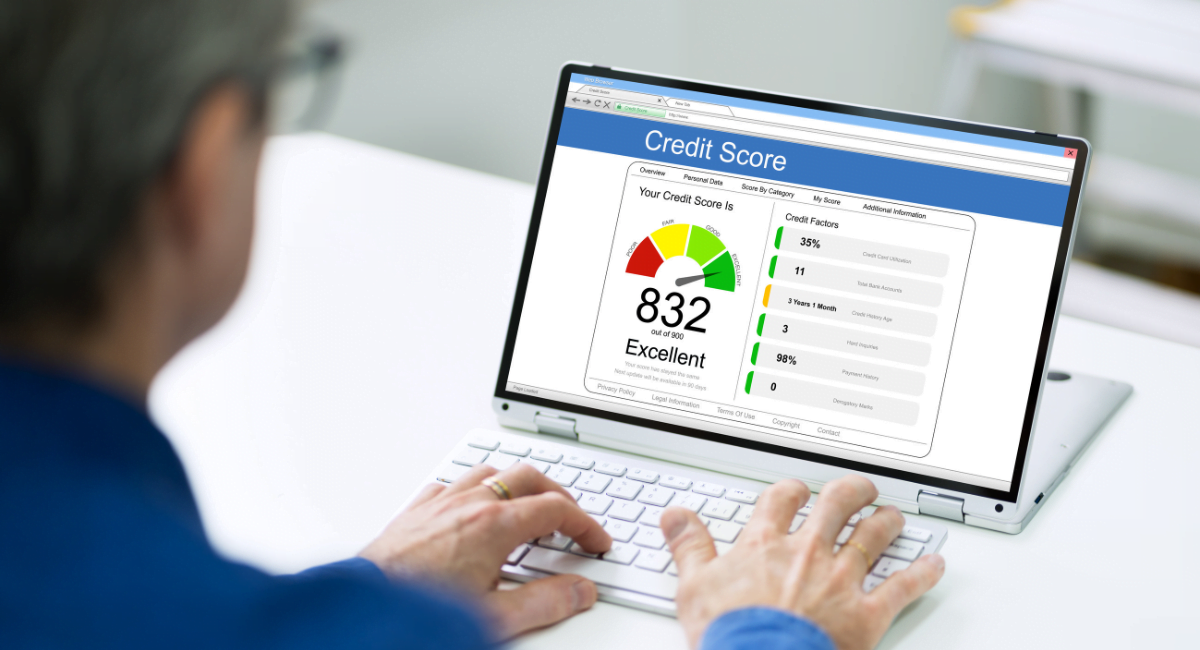
It’s also important to consider your credit score when looking at interest rates. A higher credit score often results in a lower interest rate, saving you a lot of money over the agreement term.
Understand Any Fees And Charges
Car finance can have added fees and charges. These can include arrangement and early termination fees. Don't ignore these added costs. You need to have a good idea of all the fees you might face before you go into a car finance agreement.
Before you sign, ask for a full breakdown of any fees and charges. With some car finance agreements, you might have to take out insurance policies. An example is GAP insurance, which can also add to the total cost of the loan.

Check For Any Restrictions Or Limitations
Some car finance agreements may come with restrictions or limitations. In some cases, you might have to stick to a mileage limit, and not make any changes to your car. It’s really important to understand any conditions or limitations before signing the agreement.
If there are any restrictions or limitations that you’re not comfortable with, consider a different finance option.
Who Owns The Car During The Agreement?
It’s important to understand who legally owns the car while you’re making payments.
- Hire Purchase (HP) – The finance company owns the car until you make the final payment. After that, ownership transfers to you.
- Personal Contract Purchase (PCP) – The lender owns the car unless you choose to pay the balloon payment at the end.
This means you usually can’t sell or modify the car without permission while the agreement is active.
Knowing who owns the car helps you understand your responsibilities during the agreement.
.webp?width=800&height=300&name=Legal%20Hammer%20(1).webp)
Your Rights Under A Car Finance Agreement
Car finance agreements in the UK come with certain rights. It’s important to understand these before you sign.
- Voluntary termination – In many agreements, you can return the car once you’ve paid 50% of the total amount. This can help if your circumstances change.
- Early settlement – You can usually pay off your agreement early, but there may be a fee. Always check this first.
- Cooling-off period – You typically have 14 days to cancel the finance agreement after signing, depending on how the agreement was arranged.
Knowing your rights gives you more control and can help you avoid stress later on.
.webp?width=800&height=300&name=Common%20Mistakes%20Document%20(1).webp)
Read The Fine Print
It’s crucial to read the fine print of any car finance agreement before signing it. Make sure you understand the following before taking the next step:
- Terms and conditions of the agreement.
- Length of the contract.
- The total amount you’ll be paying, and any additional terms.
Make sure you understand what will happen if you miss a payment or want to end the agreement early. It’s also important to understand what will happen at the end of the agreement, whether you choose to keep the car, trade it in, or return it.
If you need clarification on any of the terms of the agreement, feel free to ask questions. A reputable car finance provider should be willing to explain any terms or conditions you need info on.
Conclusion
In conclusion, buying a car through a finance agreement can considerably reduce costs. However, it’s crucial to understand the contract terms and ensure you’re getting the best deal possible. By understanding your options, checking the interest rate and APR, understanding any fees and charges, checking for restrictions or limitations, and reading the fine print, you can make an informed decision and ensure that you’re getting a car finance agreement that works for you.
If you’re looking for a car finance option to suit your needs, we offer both PCP and HP options. You can apply online for a free soft search to see if you’re eligible.
To see if you’re eligible, apply here.