
by Marsh Finance on Sep 18, 2024, 10:09:55 AM
*Updated November 2025*
👉 Step 1. Verify Qualifications
👉 Step 2. Ask Friends And Family For Recommendations
👉 Step 3. Teaching Style And Personality
👉 Step 4. Cost
👉 Step 5. Practical Factors
👉 Step 6. Book A Trial Lesson Before Committing
👉 Step 7. Key Questions To Ask Before You Book
👉 Learning To Drive With A Disability
👉 Summary: Choosing The Right Driving Instructor
👉 Choosing a driving instructor FAQs
You’re at the start of your car journey and might be wondering what you need to look for in a driving instructor. Getting the right instructor for you is important, as they are going to teach you everything you need to know about driving. With that in mind, we've put together a guide that breaks down how to choose an instructor, and everything you should look out for in a good instructor.

Step 1. Verify Qualifications
Summary: Driving instructors must be qualified with the DVSA to charge you for lessons. Check if they have an ADI (green hexagonal badge) and only book with someone who has this.
This sounds obvious, but making sure your instructor is qualified ensures you receive high-quality driving guidance and support. Also, it is illegal for an instructor to charge you for lessons without being qualified by the DVSA. Have a look for the following qualifications.
- ADI (Approved Driving Instructor) — green hexagonal badge displayed in windscreen.
- PDI (Potential Driving Instructor) — pink triangular badge.
You can check instructor qualifications online too. Visit the Official DVSA instructor search tool (GOV.UK 'find driving instructor').
.webp?width=800&height=300&name=Family%20Laughing%20(1).webp)
Step 2. Ask Friends And Family For Recommendations
Summary: Most people have learnt to drive, and leaning on friends and family who know your learning style and personality can be a good way to find a suitable driving instructor.
Asking your friends and family who they used and if they’d recommend them is a really good start in finding an instructor. Your close friends and family are people you can trust and who will be completely honest with you. Make sure you ask about how they communicated in lessons and get a feel of what your lessons might look like. Getting an initial idea from those close to you is a good start in the instructor search process.
Online Recommendations
Summary: Check reviews on Google, Facebook, and independent sites to understand an instructor’s reliability, communication style, and reputation.
Have a quick Google and see what past customers have said about the instructor. Use sites like Google, Facebook and independent review sites to get an idea of how your instructor works. Look out for suspicious reviews, and only proceed once you are confident this instructor is the right one for you.
Step 3. Teaching Style & Personality
Summary: make sure your driving instructor is calm, communicative, professional and supportive. Matching up with an instructor that lines up with your personality is key to creating a successful learning environment.
Having a driving instructor who is calm is key. Learning to drive can be stressful, and this can be made worse by an agitated instructor. Having someone who can remain calm when you’re struggling is one of the most important features of a good driving instructor. Make sure your personalities match, and use this checklist as a simple guide to a well-suited instructor:
- Patient.
- Provide calm feedback.
- Offer tailored learning styles to suit you.
- Professional.
- Avoid going on their phone while you’re driving.
- Structured lesson plans.
It's just you and your instructor in the car, so it's important to have someone you can chat with and who explains things clearly. This is your first time driving, so clear instructions and guidance are essential. Find a blend of personality, style, and communication that suits you, and you’re on track to a good fit.

Step 4. Cost
Summary: Compare lesson prices and quotes but avoid choosing based only on the cheapest option.
Get a good idea of what the lessons will cost. The average for a driving lesson in the UK is between £25 and £45 for an hour, so if you’re getting charged more, you won’t be getting a good deal. Don’t be afraid to get multiple quotes from different instructors, too, as this will help you get the best deal possible.
Top Tip: Don’t Choose Based On Price Alone
Don’t choose based solely on the cheapest price. There are lots of factors that make up a good driving instructors.
.webp?width=800&height=300&name=Ticks%20Checklist%20(1).webp)
Step 5. Practical Factors
Summary: Evaluate practical details like manual vs automatic, car condition, cancellation policies, pass rates, and block-booking discounts.
Here are some practical tips to think of and engage in to make sure your instructor is right for you:
✔ Manual vs Automatic
Consider whether you want to learn in a manual or automatic car, and check if the instructor is covered for your choice.
✔ Car Condition & Comfort
Check the car, making sure it’s clean, well-maintained and comfortable.
✔ Cancellation Policies
Look for a cancellation policy to protect you in case you need to cancel in future.
✔ Instructor Pass Rate (first-time vs overall)
Look at their pass rate. A higher pass rate indicates a good instructor.
✔ Block Booking Discounts
Block booking discounts. Does the instructor offer discounts if you book in bulk?
.webp?width=800&height=300&name=Learning%20To%20Drive%20With%20Family%20(1).webp)
Step 6. Book A Trial Lesson Before Committing
Summary: Use a trial lesson to test the instructor’s communication, supportiveness, and fit with your learning style before committing.
Book a trial lesson to make sure the instructor fits your learning style. Make sure you get on and feel supported, and don’t feel overwhelmed by their approach. Pay attention to their communication style and how they react when you make a mistake. This reduces risk of poor learning by getting an initial flavour. Jumping head first into learning with the wrong instructor can hurt your learning and chances of passing your test.
Even if you’ve made use of a trial, signed up and then decided things aren’t right down the line, you can still switch instructors. This is completely allowed; just make sure you fill your new instructor in on where you’re up to.
.webp?width=800&height=300&name=Question%20Marks%20Paper%20(1).webp)
Step 7. Key Questions To Ask Before You Book
Summary: Ask direct questions about qualifications, teaching style, pass rates, discounts, cancellation policies, and car type to check suitability.
- Are you a fully qualified ADI (green badge) or a PDI (pink badge)?
- What is your teaching style?
- What is your typical first-time pass rate?
- Do you offer block-booking discounts?
- What is your cancellation policy?
- Do you teach in manual or automatic?
Learning To Drive With A Disability
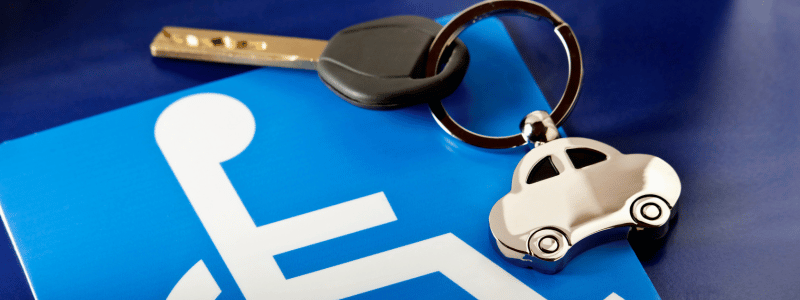
Summary: Look for specialist instructors experienced with nervous drivers, special needs learners, adapted vehicles, or disability assessments.
If you have a disability and are looking to start your driving journey, you will need to look for a specialist driving instructor. Driving Mobility is a fantastic company that has plenty of specialist instructors ready to help you. For more information on learning to drive with a disability, visit our dedicated blog here. Here are some quick tips:
- Ask if the instructor has experience with nervous or anxious learners
- Ask if the instructor has experience with special needs learners
- Ask about adapted vehicles
- Ask about familiarity with disability assessments (Driving Mobility, DVSA specialist support)
Summary: Choosing The Right Instructor
Make sure you take your time when it comes to finding an instructor. Rushing the process might leave you wanting a change further down the line, and this can be messy. Trust the recommendations of others and combine this with your own research to find an instructor that you feel comfortable learning from. If you employ all of these tips, you should be able to find a driving instructor that is the right fit for you.
FAQs
How do I check if a driving instructor is qualified?
All driving instructors must be approved by the DVSA. You can check if an instructor is qualified by contacting the DVSA via email: enquiries@dvsa.gov.uk or mobile: 0800 030 4103.
Driving instructors must be registered with the DVSA if they are charging you for lessons. If you have your suspicions, ask for the instructor's certification or contact the DVSA.
What is the DVSA?
The Driver and Vehicle Standards Agency (DVSA) is like the regulatory body for driving tests and road worthiness. They are responsible for carrying out driving tests, approving instructors and MOT testers, as well as roadside checks and inspections.
How do I contact the DVSA?
You can get in touch with the DVSA via the below methods
- Email: enquiries@dvsa.gov.uk
- Mobile: 0800 030 4103
What should I look out for in a driving instructor?
Finding the right instructor for you can be a tough task. Here’s what you should look out for in a good driving instructor:
- Fair prices.
- Good communication and calm approach.
- Someone you can get along with.
- Experience.
- Highly recommended.
- Clear and detailed lesson plans.
- They are qualified to teach by the DVSA.
How much do lessons usually cost?
Driving lesson costs can vary, although the average ranges from £25 to £45 for one hour.
Read more about driving lesson costs via our dedicated blog here.
How do I find driving instructors near me?
A simple Google search should find plenty of instructors in your local area. Combine this search with recommendations from your friends, work colleagues and family, and you should get a good picture of what’s available near you.