
by Will Marsh on Jun 20, 2025, 2:40:52 PM
👉 How Does Cat N Affect Insurance?
👉 Cat N Vs Other Write-Off Categories
👉 Can I Buy A Cat N On Finance?
Cat N Finance At A Glance
|
Topic |
What You Need to Know |
|
Lender Acceptance |
Many mainstream lenders reject Cat N cars; specialist lenders usually required. |
|
Stricter Terms |
Higher interest, larger deposit, lower loan amounts. |
|
Required Documents |
Repair receipts, before/after photos, mechanic reports. |
|
Inspection |
Some lenders require a full pre-approval inspection. |
|
Resale Impact |
Harder to sell later; lower demand from buyers. |
Can You Get Car Finance For A Cat N Vehicle? (Yes — But It’s Harder)
Most mainstream lenders will not finance Cat N cars due to higher risk and lower resale value. However, specialist lenders may approve Cat N finance with stricter terms, higher interest rates, and mandatory inspections.
.webp?width=800&height=300&name=Car%20Minor%20Damage%20(1).webp)
What Is Cat N?
Summary: A Cat N car has non-structural damage that has been repaired but leaves a permanent write-off marker.
Cat N is one of the most common insurance write-off categories. A Cat N car has suffered non-structural damage that will need to be repaired if the car is to go back onto the road. Even though the damage isn’t serious, it will still be considered a write-off and will need to be re-registered with the DVLA before it can be driven again.
Let’s have a look at some of the common cases where a car is declared a Cat N write off:
- Cosmetic damage (dents, scratches)
- Electrical issues
- Damaged seating
- Engine/gearbox issues
- Window damage
- Exhaust/catalytic converter damage
- Cosmetic fire damage
It’s worth noting that the V5C logbook doesn’t always show Cat N status, so a proper vehicle history check is essential

How Does Cat N Affect Insurance?
Cat N cars usually face higher insurance premiums because insurers see previously written-off vehicles as higher risk.
Although the damage may not be too serious, a Cat N car will usually face higher insurance premiums, or even rejections altogether. With the car sustaining damage in the past, it is seen as a higher risk of future issues by insurers, which is reflected in higher premiums, limited coverage options or even flat-out refusal to insure.
In an insurer’s mind, a car that has previously been written off is more likely to be written off again.
Why Cat N Cars Have Higher Insurance Costs
Insurers see any previously written-off vehicle as a higher risk. A Cat N car has already needed repairs once, which increases the chance of future issues. This perceived risk is why insurers often raise premiums or limit the policies they’ll offer.
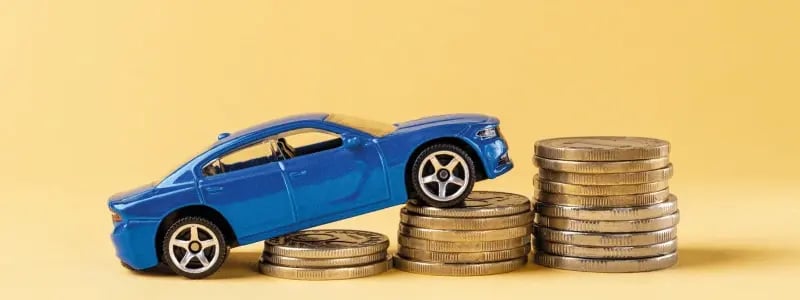
Are Cat N Cars Cheaper?
Summary: Cat N cars are often cheaper because buyers value them less than identical models without a write-off history.
Where Cat Ns fail on insurance costs, they tend to perform better on price. Previously written-off cars are seen as less desirable, which can bring the price down by up to 40%.
Imagine you’re in a car dealership, and you’re looking at two cars that are the same model. One has been written off in the past, and the other hasn’t. Which option is more appealing? It’s the non-written-off option, right? A non-written-off option will always be more expensive than its counterpart, so if you’re happy to look past previous issues, you could get yourself a good deal 👀.

Cat N Vs Other Write Off Categories
Summary: Cat N is one of several insurance write-off categories, and it applies only to cars with non-structural damage.
There are actually six different levels of write-off, all varying in severity. Compared to other categories, Cat N is one of the best write-offs in terms of the level of damage. Cat N is one of the only categories where structural damage hasn’t occurred, with other levels seeing a higher level of damage. We’ve summarised the different categories below.
- Cat A – This is the worst level of write-off. In this case, the car is beyond repair and needs to be crushed.
- Cat B – Here, the main part of the car is damaged. However, other parts can be saved.
- Cat C – The car can be repaired, but doing so will cost more than the car is worth.
- Cat D – Repairs won’t cost more than the car is worth but the whole process (including a rental car) will tip the balance.
- Cat S – The car has suffered structural damage, but this can be repaired.
We’ve covered car insurance write-off categories in more detail in a separate piece.
‘The Different Car Insurance Write-Off Categories’

Can I Buy A Cat N Car On Finance?
Summary: You can finance a Cat N car, but it’s usually harder because lenders see these vehicles as higher risk.
Quick Answer
Yes — but it’s harder. Many mainstream lenders will not finance Cat N vehicles at all because of their higher risk and lower resale value. Borrowers usually need a specialist lender who understands repaired write-offs.
Getting a Cat N car on finance is possible, but in some circumstances, it can be harder than financing a non-written-off car. By the time it comes to financing a Cat N car, the damage will have been repaired, and the car will be roadworthy, but that doesn’t guarantee a good deal 👇.
To a finance company, a previous write-off presents a risk. The last thing a finance company wants is the car to experience damage again, and sadly, there is an increased risk of this if the car has been written off in the past.
With this in mind, you may find that finance for the Cat N car could be higher for other options. This isn’t all, though, there are a few other possibilities if you finance a Cat N car:
- Higher interest rates to account for the risk of future issues
- Larger deposit needed
- Limited finance options
- Full vehicle inspection before approval
Saying all that, if you have your heart set on a car that’s previously been written off, car finance is possible. Just be ready for the potential of higher interest rates or a larger up-front payment.
From your perspective, there are a few things to keep in mind when considering a Cat N car, too:
- Make sure the car is fully repaired. Check the vehicle’s logbook to ensure the previous issues have been left in the past.
- Insurance impact. A Cat N car will likely face higher insurance premiums.
- Resale value. If you are looking to own your car at the end of your finance agreement, the resale value of a previously written-off car will be lower than a car with a clean history.
Why Some Lenders Reject Cat N Cars
Many finance companies avoid Cat N vehicles because their past damage creates uncertainty about long-term reliability. Lenders also factor in the car’s reduced resale value — meaning if the customer defaults, the lender may struggle to recover the loan amount.
What A Lender Might Ask For (Documents & Checks)
Because Cat N cars have been repaired, lenders often require extra documentation to verify the work done. These checks help confirm the vehicle is safe, roadworthy, and accurately valued.
- Repair receipts
- Before-and-after repair photos
- Garage/mechanic repair report
- Full vehicle inspection (some lenders require this before approval)
Why Cat N Cars Face Stricter Finance Terms
Even when a lender accepts Cat N cars, the finance approval typically comes with stricter terms to compensate for the perceived risk. These may include:
- Higher interest rates
- A larger upfront deposit
- Reduced maximum loan amount
- More conditions before approval
Will A Cat N Car Be Harder to Sell Later?
Yes — future resale can be challenging. A Cat N marker permanently lowers a vehicle’s appeal to buyers, which can make it harder to sell compared to a standard used car. This lower demand also impacts lenders’ risk assessments.
Final Thoughts
Summary: Cat N cars can offer good value, but buyers need to weigh stricter finance terms, higher insurance costs, and long-term risks.
Cat N isn’t the end of the world, and the car can be brought back to road quality. You definitely can finance Cat N cars, but you will likely face higher interest rates, larger deposits and greater insurance premiums after sale. Make sure you weigh up the pros and cons before making a Cat N car purchase.
If you’re still committed and have your eyes set on an option, we can help. Tell us about your chosen car and the dealership it belongs to, and we’ll take care of the rest.
Applying for finance with us won’t affect your credit score, meaning that unsuccessful applications have no bearing on your ability to finance in the future. We’ll see if the car fits the bill and will communicate a decision as soon as possible to avoid any traffic in your car-buying journey.
Let us know which car you are interested in, and apply for finance with no effect on your credit file.
.webp?width=800&height=300&name=Question%20Marks%20Paper%20(1).webp)
Cat N Cars – FAQs
What Does Cat N Mean?
Cat N is an insurance write-off category for cars that haven’t suffered structural damage. However, the issues need to be repaired before the car can be put back on the road. Once a Cat N car is cleared to be put back on the road, it will need to be re-registered with the DVLA.
Does Cat N Affect Insurance?
Cat N will lead to higher car insurance costs. This is because insurers see a previously written-off car as more likely to face issues in future. As a result, they tend to charge higher premiums to cover against these risks.
How To Remove Cat N From A Car
Unfortunately, you can’t remove a Cat N notice from a car. This increases transparency for future car buyers, who otherwise wouldn’t know of previous issues.
What Is Cat N Damage?
Cat N damage is non-structural. This means the issues aren’t deemed unrepairable, and the car can return to roads, provided the issues are corrected.
Some examples of Cat N include:
- Cosmetic damage (dents, scratches)
- Electrical issues
- Damaged seating
- Engine/gearbox issues
- Window damage
- Exhaust/catalytic converter damage
- Cosmetic fire damage
What Is The Difference Between Cat S And Cat N?
A Cat S car has suffered structural damage, but a Cat N car hasn’t. Both can be repaired and returned to road level.
We’ve covered this topic in more detail: What Does Cat N And Cat S Mean?
Do Mainstream Lenders Finance Cat N Cars?
Most mainstream lenders avoid Cat N cars due to their higher risk. You’ll usually need a specialist lender if you want to finance a previously written-off vehicle.
What Documents Do I Need to Finance a Cat N Car?
Lenders may request repair receipts, before/after photos, mechanic reports, and may also require a full inspection before approving finance.
Why Is Cat N Finance More Expensive?
Lenders view Cat N cars as higher risk, which often results in higher interest rates, bigger deposits, or stricter lending terms.